
Editing software, taught by people who use it every day
Kelposandu started in 2022 as a focused mentorship practice around professional editing tools — not courses, not group webinars, but direct, sustained work between a mentor and a client on real editing challenges.
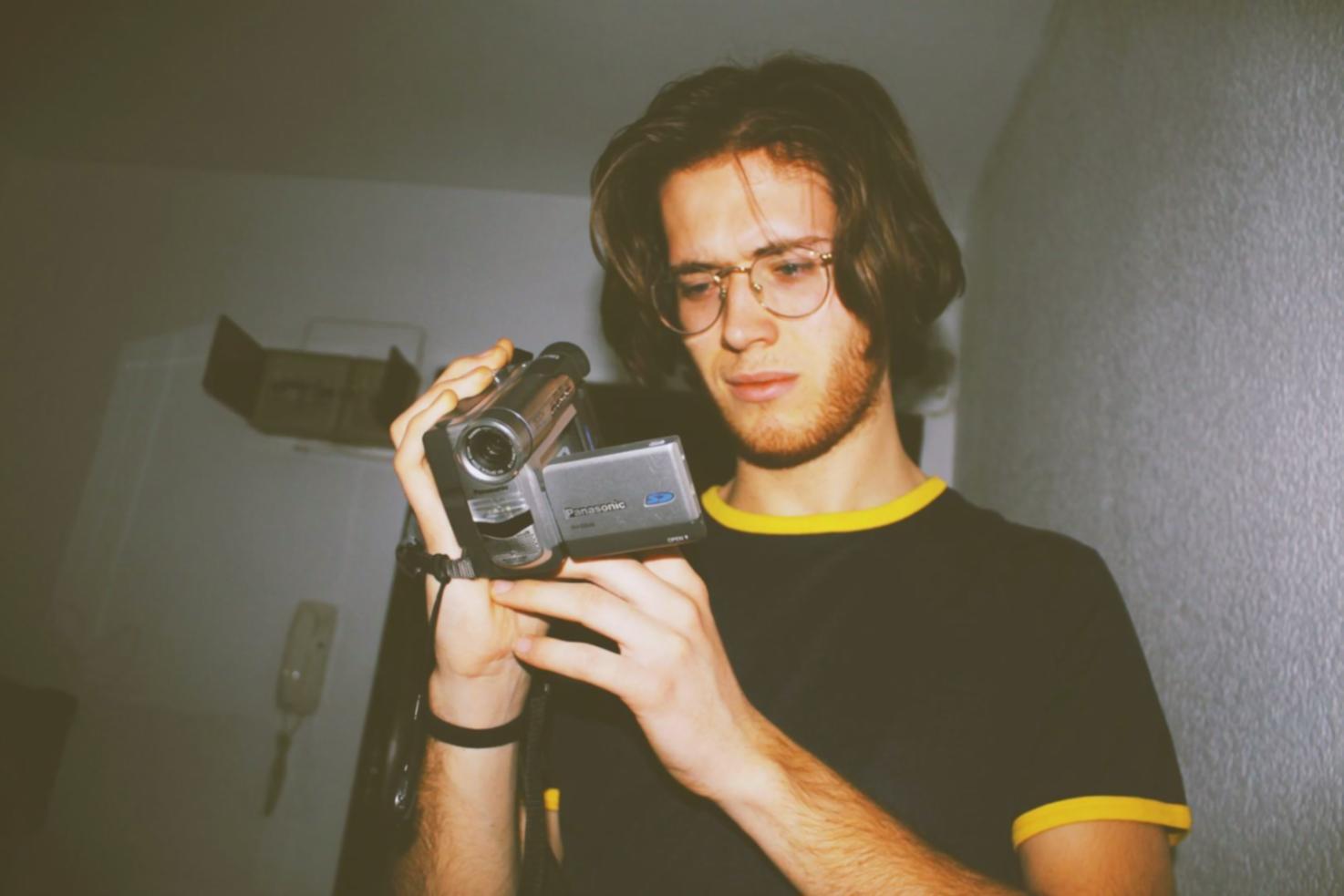
One relationship, one editing environment, maintained over time

The work at Kelposandu centres on a specific problem: most people who struggle with editing software are not struggling with the tool itself — they are struggling with workflow decisions that nobody walked them through. DaVinci Resolve, Adobe Premiere Pro, Avid Media Composer — these are dense environments, and generic tutorials rarely address the actual friction points of a real project.
A mentor who has cut on deadline for years knows what breaks first under pressure — and that knowledge transfers differently than a lesson plan.
Mentorship here is delivered one-to-one, across time zones, with sessions structured around whatever the client is actually working on. There is no fixed curriculum, and there is no certificate at the end. The measure of progress is whether the client is making better decisions independently, faster, than before.
What gets addressed
Colour grading pipelines, audio sync workflows, project organisation in multi-editor environments, and export configuration for broadcast or streaming specifications.
Who the clients are
Editors at intermediate to advanced stages, working on documentary, commercial, or narrative content. Also post-production coordinators moving into hands-on editorial roles.
What the practice looks like in practice
These figures reflect the structure and scope of ongoing mentorship engagements — not targets, not projections.
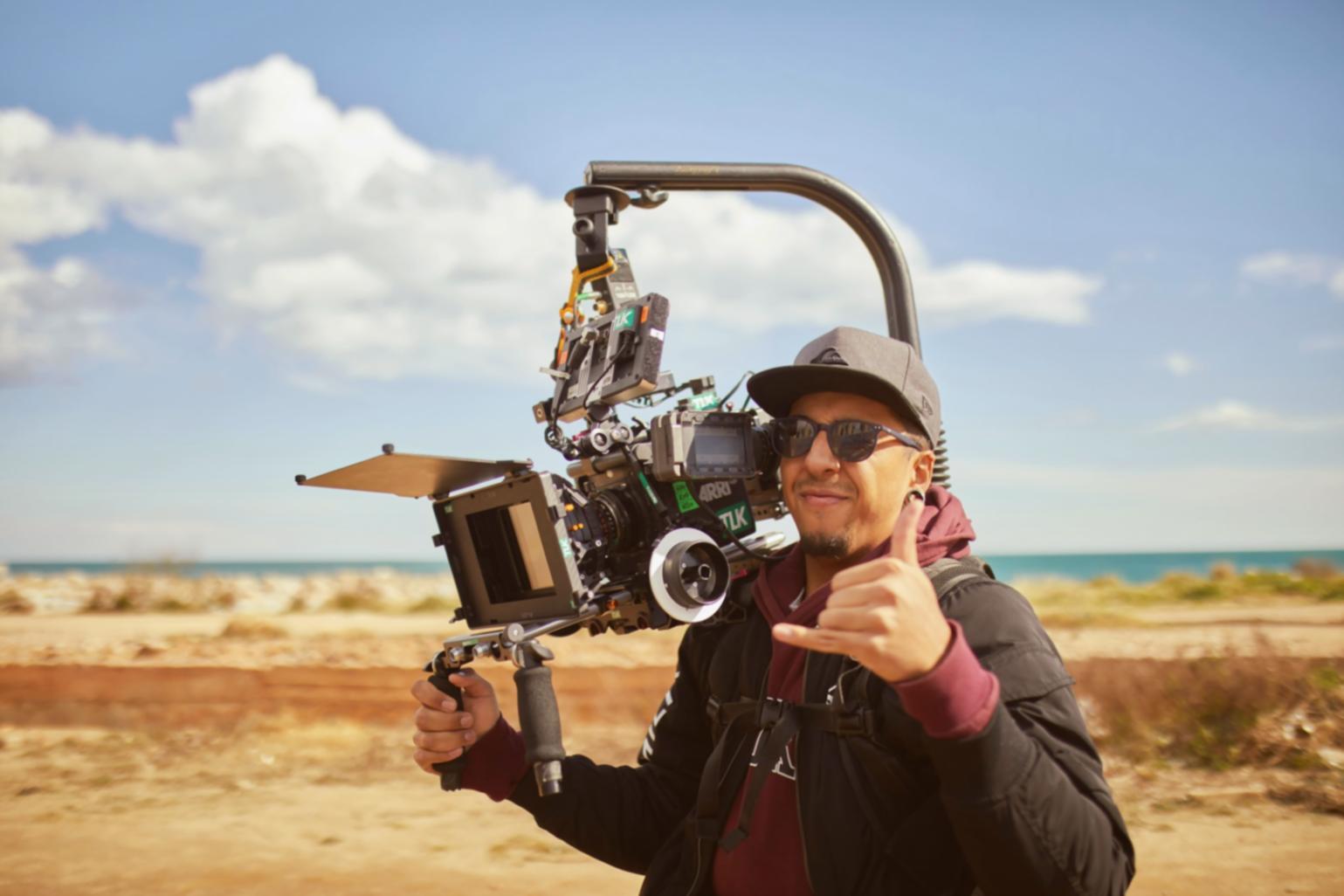
| Software area | Typical focus | Session depth |
|---|---|---|
| Colour grading | Node structure, primary / secondary correction, LUT management | Multi-session |
| Audio workflow | Sync, dialogue cleanup, fairlight routing | Integrated |
| Project organisation | Bin structure, proxy workflows, multi-cam assembly | Foundation |
| Export & delivery | Codec selection, broadcast spec compliance, streaming presets | Single or ongoing |
Mentors who have worked the full production chain
Each mentor at Kelposandu comes from active professional practice — broadcast, documentary, commercial post. Sessions are led by editors who have solved the same category of problems they teach, not by educators who specialise in pedagogy. Learn more on the services page or get in touch directly.
Britta Feuerbach
Senior Mentor — Colour & Finishing
Fifteen years in commercial and documentary post-production. Specialises in Resolve colour pipelines, HDR finishing, and ACES workflows for clients delivering to streaming platforms.
Odran Sloane
Mentor — Offline & Assembly
Came up through factual television and long-form documentary in Ireland before moving to international remote work. Focuses on Avid and Premiere editorial structure, rough-cut decision-making, and multi-editor coordination.
Yuki Tamashiro
Mentor — Audio & Technical Post
Sound editor background with deep experience in Fairlight integration inside Resolve and Pro Tools interchange. Works with clients on dialogue editing, stem structuring, and delivery compliance for broadcast standards.
How sessions are structured
Each engagement starts with a scoping conversation — what the client is currently working on, what is blocking them, and what independent capability looks like as an outcome. From there, sessions follow the client's live project, not a prepared lesson. Screen-sharing, direct feedback on project files, and post-session written notes are standard.
- Sessions typically run 60–90 minutes
- Asynchronous review available between sessions
- Scheduling across multiple time zones
What this does not include
Kelposandu does not offer cohort programs, recorded course libraries, or short workshops. The structure is deliberately narrow — sustained one-to-one engagement takes significant time from both sides, and the practice stays small to protect the quality of that time. If the format does not suit your situation, the how it works page covers the process in detail before any commitment is made.
- No group cohorts or shared cohort schedules
- No pre-recorded video libraries
- No completion certificates or assessed outcomes